How to write a book description that sells (with a simple formula)

Your book description is your sales page. Here is a simple formula for fiction and nonfiction, the mistakes to avoid, and how to test it before you publish.
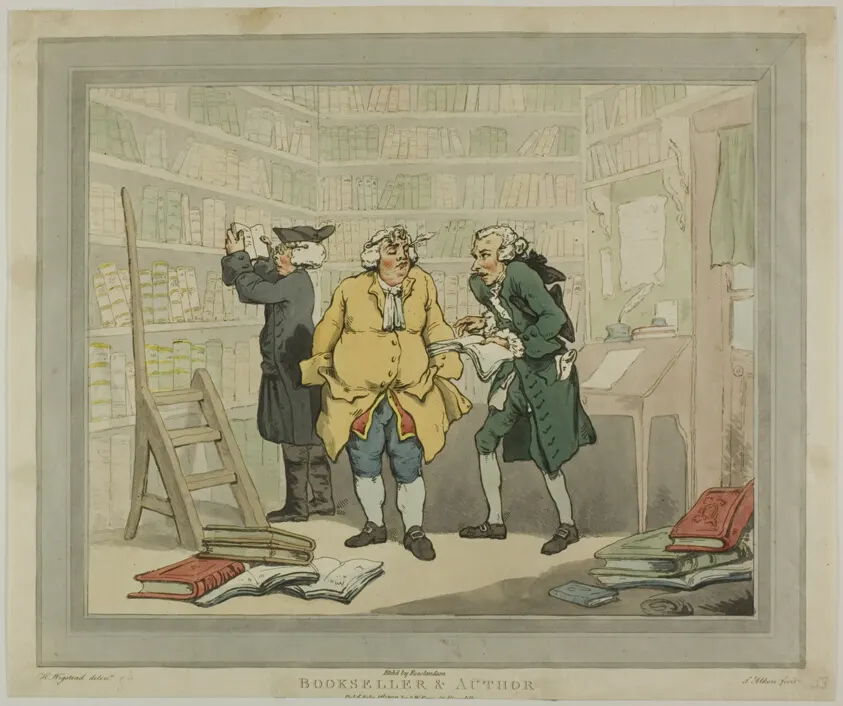
After the cover and the title, the book description is what decides whether a reader buys. On a store page it does the job a bookseller would do in a shop: telling the reader, quickly and convincingly, that this book is for them.
It is also one of the hardest things for authors to write, because you know too much about your own book. This guide gives you a simple structure to start from.
What a book description is (and is not)
A book description is not a summary. It does not need to explain the whole plot or every chapter. Its only job is to make the right reader want to read the book.
Most strong descriptions are short: a few short paragraphs that can be read in under a minute. On most stores, only the first two or three lines are visible before the reader taps "read more", so those lines matter most.
A simple formula for fiction
- Hook. One or two lines that set up the situation and make the reader curious.
- Character and conflict. Who is the story about, what do they want, and what stands in their way?
- Stakes. What happens if they fail?
- Promise. One line that tells readers what kind of experience the book delivers: the genre, tone and feeling, often by naming comparable books or authors.
Write in the present tense and in the third person, even if the book is in the first person. Stop before the ending; leave the reader with a question they want answered.
A simple formula for nonfiction
- The problem. Name the reader's problem or goal in their words.
- The promise. What will the reader be able to do, know or feel after reading?
- What is inside. Three to five short bullet points about what the book covers.
- Why you. One or two sentences about why the author is the right guide.
Nonfiction readers buy a result, so focus on what the reader gains rather than on how the book is organised.
Tips that make a real difference
- Lead with the strongest line. Do not open with a review quote or background; open with the hook.
- Use short paragraphs. Large blocks of text are hard to read on a phone.
- Use the words readers search for. If your book is a cosy mystery set in a bakery, say so.
- Match the tone to the genre. A thriller description should feel tense; a romance description should feel warm.
- Cut every unnecessary name and detail. Two named characters are usually enough.
Mistakes to avoid
- Telling the whole story, including the twist.
- Opening with "This book is about…".
- Comparing yourself to bestselling authors in a way readers will not believe.
- Using the same description everywhere without checking it reads well on each store.
Test it before you publish
Read the description aloud. Ask a few readers in your genre whether they would buy the book on the strength of it, and which line made them want to read on. Then cut anything nobody mentioned.
Your description is not fixed forever. If a book is not selling, rewriting the description is one of the quickest and cheapest things to try.
Need help?
Writing your book's description, and choosing the categories and keywords that go with it, is part of our book marketing and publishing services.

Melon Publishers is a book publishing company based in the USA, working with authors around the world on writing, editing, design, publishing and marketing. Our blog shares reading lists and practical, honest advice for readers and writers.